Back to School at the College of Charleston
Darley Newman guest teaches Professor George Stone’s storytelling class and explores Charleston’s history, hospitality, and Lowcountry coast
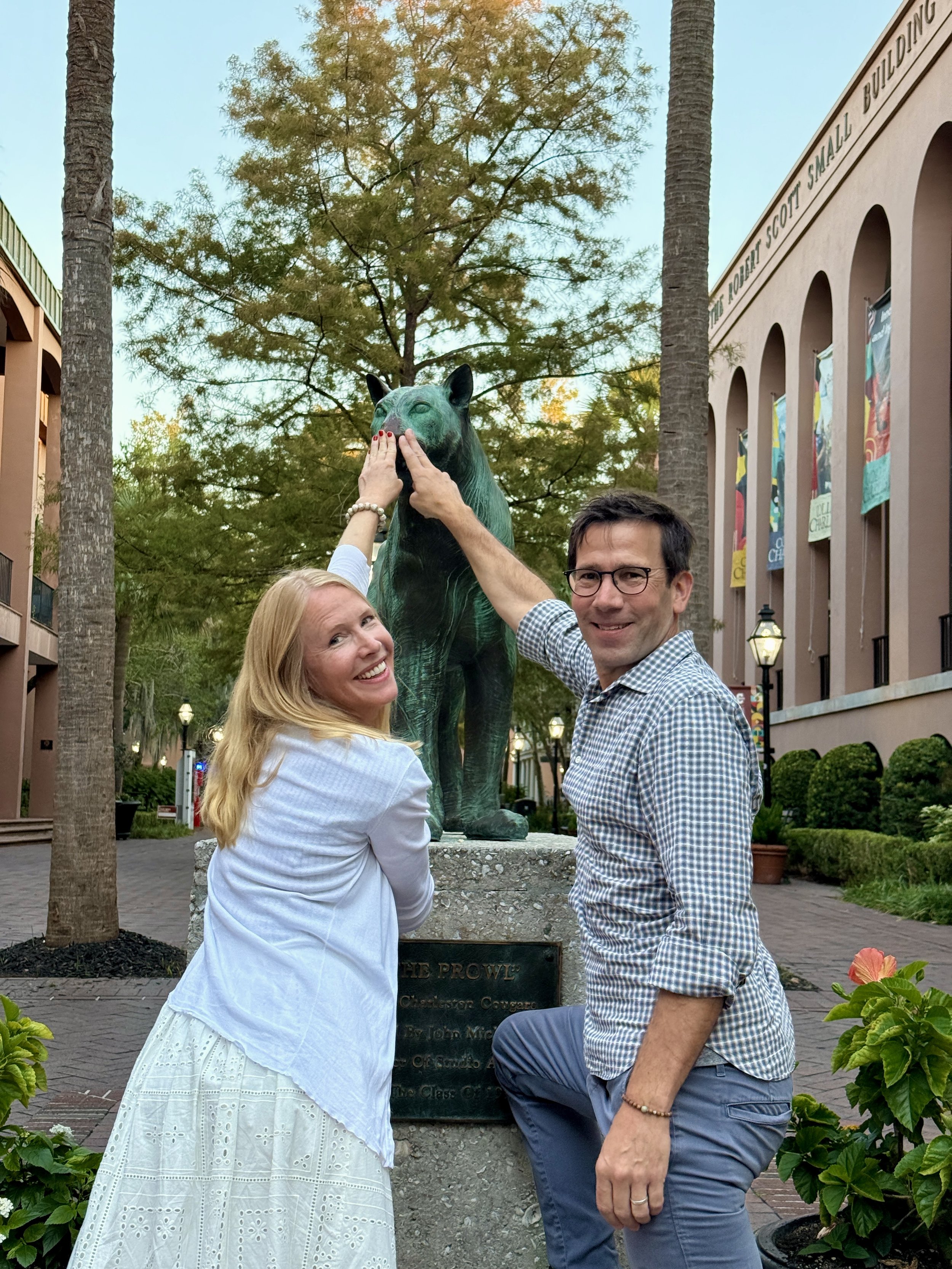
I recently went back to school at the College of Charleston, where I was honored to guest teach Professor George Stone’s dynamic class on storytelling, strategic narrative, and placemaking.
Storytelling has always been at the heart of my work. Whether I am filming an episode of Travels with Darley, interviewing a historian, researching Revolutionary Road Trip, or exploring a destination with a local guide, I am constantly thinking about the stories that help us understand a place more deeply.
That made it especially meaningful to step inside the classroom and share ideas with students preparing for careers in travel, tourism, media, marketing, and communications.
Exploring the Power of Travel Storytelling
Professor Stone brings a wealth of travel media experience to the College of Charleston. A former editor in chief of National Geographic Traveler and executive editor of National Geographic, he now teaches students how storytelling, brand development, journalism, and strategic communications shape the way travelers experience destinations.
His course, Strategic Narrative in Placemaking, examines how destinations are researched, documented, presented, and ultimately understood by visitors.
Travel stories do more than tell us where to go. The best stories introduce us to the people who give a destination its character, reveal history that may not appear in a traditional guidebook, and encourage us to experience a place with greater curiosity and care.
It was energizing to spend time with Professor Stone’s students and talk about what it takes to find, develop, and share those stories across television, books, digital media, and social platforms.
Thank you to George and the College of Charleston for inviting me into the classroom!
Charleston’s Stories Continue Beyond the Classroom
One of the things I love about Charleston is that there is always another story waiting around the corner.
While I was in town, I stepped inside the historic and stunning St. Michael’s Church. Located in the heart of Charleston’s historic district, it is the kind of place that invites you to slow down, look more closely, and think about the generations of people who have walked through its doors.
There were plenty of lighter surprises, too. I met the canine mayor of the French Quarter, enjoyed the city’s streets and architecture, and literally ran into Myrtle Beach icon Diane DeVaughn Stokes.
That reunion brought back a flood of memories. I had my very first television job as a contract camera person for Diane’s show when I was only 15 years old in Myrtle Beach. Time flies!
Hush Puppies, Fried Chicken, and a Visit to Buxton Books
No return to Charleston would be complete without revisiting a few favorite local stops.
At Leon’s Oyster Shop, I made time for hush puppies and fried chicken. Charleston has an extraordinary culinary scene, but sometimes the dishes you crave most are the relaxed, comforting classics.
I also stopped by Buxton Books to visit Polly Buxton and check in on Revolutionary Road Trip: Hidden Stories from America’s Founding Journey.
I was thrilled to learn that signed copies have been flying off the shelves. Don’t worry, I signed more!
For anyone interested in exploring Charleston’s Revolutionary history, hidden stories, historic sites, and local characters, Buxton Books is a wonderful independent bookstore to visit.
Learn more about Revolutionary Road Trip
Staying at The Cooper and The Dunlin
This trip also gave me the chance to experience two very different sides of Charleston hospitality.
I enjoyed staying at The Cooper, a luxury waterfront hotel on the Charleston peninsula. Its location along the Cooper River offers a fresh perspective on downtown Charleston and an easy connection to the city’s historic streets, restaurants, and waterfront.
I also stayed at The Dunlin on Johns Island, where the atmosphere shifts from the energy of downtown Charleston to the quieter rhythms of the Lowcountry. Set along the Kiawah River, The Dunlin embraces the natural beauty, coastal traditions, and relaxed spirit of Charleston’s Sea Islands.
Together, the two stays offered an interesting contrast: Charleston’s historic urban waterfront and the peaceful landscapes just beyond the city.
A Lowcountry Coastal Safari
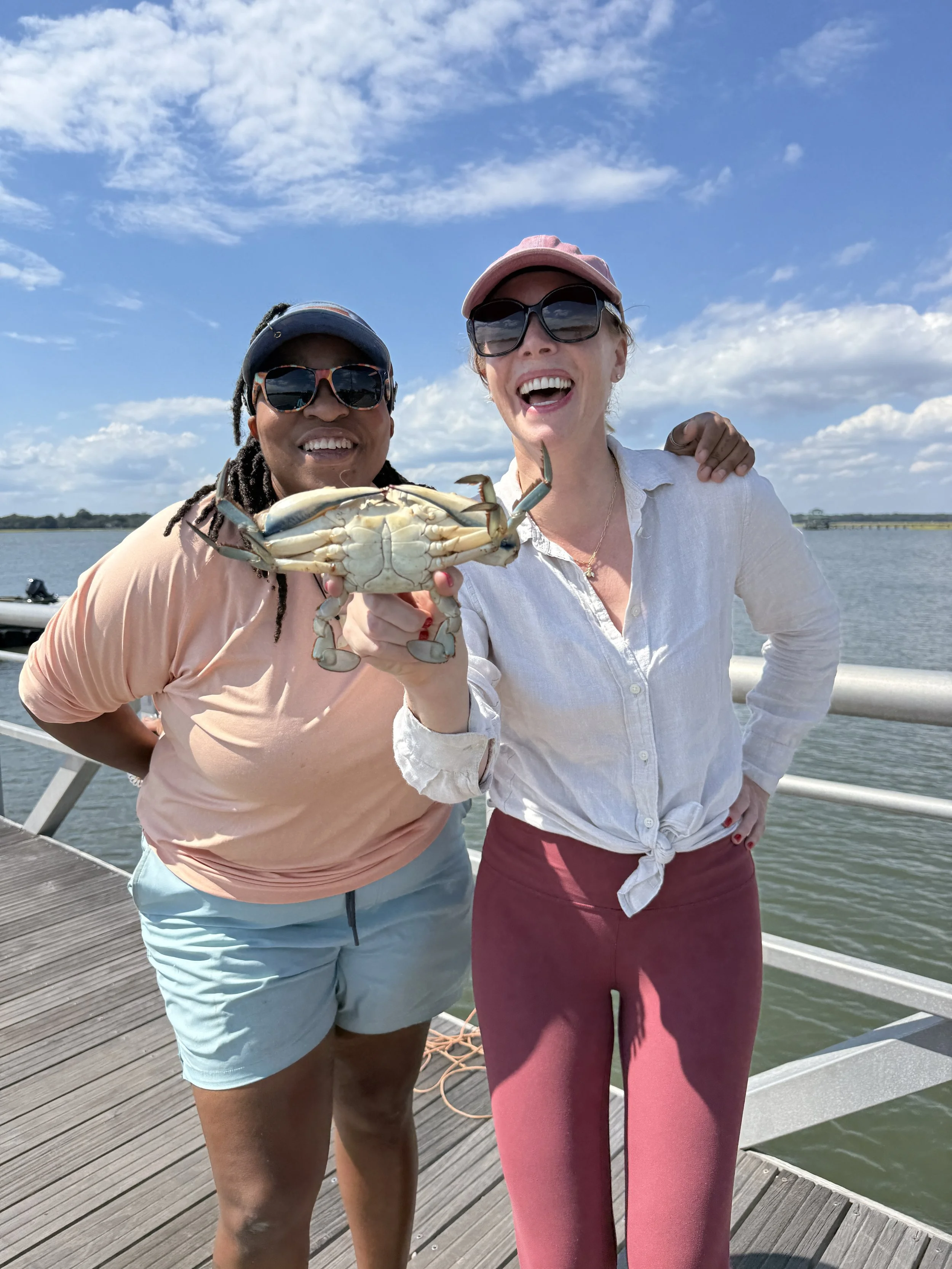
To experience Charleston from the water, I headed out with Coastal Expeditions for a coastal safari.
The Lowcountry’s tidal creeks, salt marshes, oyster beds, barrier islands, and winding waterways reveal a completely different side of the Charleston area. Exploring with local naturalists offers opportunities to look for dolphins, coastal birds, and other wildlife while learning how this distinctive ecosystem has shaped life in the region.
From the water, Charleston’s natural landscape becomes part of the story. It is a reminder that the city’s history, food, culture, and wildlife are all connected to the rivers, marshes, and coastline surrounding it.
Why I Keep Returning to Charleston
Charleston remains one of my favorite cities because it offers so many layers to explore.
This visit brought together many of the things I value most about travel: sharing ideas with the next generation of storytellers, reconnecting with people from my own journey, supporting local businesses, exploring history, and getting outside to experience the natural environment.
From the College of Charleston classroom to a Lowcountry coastal safari, every part of this trip reinforced the idea that meaningful travel begins with curiosity.
Stay tuned for more adventures from Charleston. I’ll also be sharing more travel tips, places to stay, local favorites, and ways to experience the city and the surrounding Lowcountry.