South Jersey, NJ Revolutionary Road Trip: Darley Newman's Guide to Taverns & Untold Stories
I'm Darley Newman, and I started this leg of my Revolutionary Road Trip through New Jersey at the Indian King Tavern in Haddonfield, traveling throughout southern New Jersey to learn about the architecture, history, and people of the American Revolution. What began as a trip about colonial buildings turned into something bigger — a look at the untold stories of people whose roles in the Revolution rarely make it into the history books.
With British forces occupying nearby Philadelphia, South Jersey's small Quaker towns found themselves pulled directly into the conflict, from Haddonfield's Indian King Tavern to the Greenwich Tea Burning in Cumberland County to the Red Bank Battlefield in Gloucester County. If you're an American Revolution traveler planning a New Jersey road trip, South Jersey delivers some of the state's richest, least-told Revolutionary history.
Revolutionary War Sites You Can Visit in South Jersey
Indian King Tavern — Haddonfield, NJ
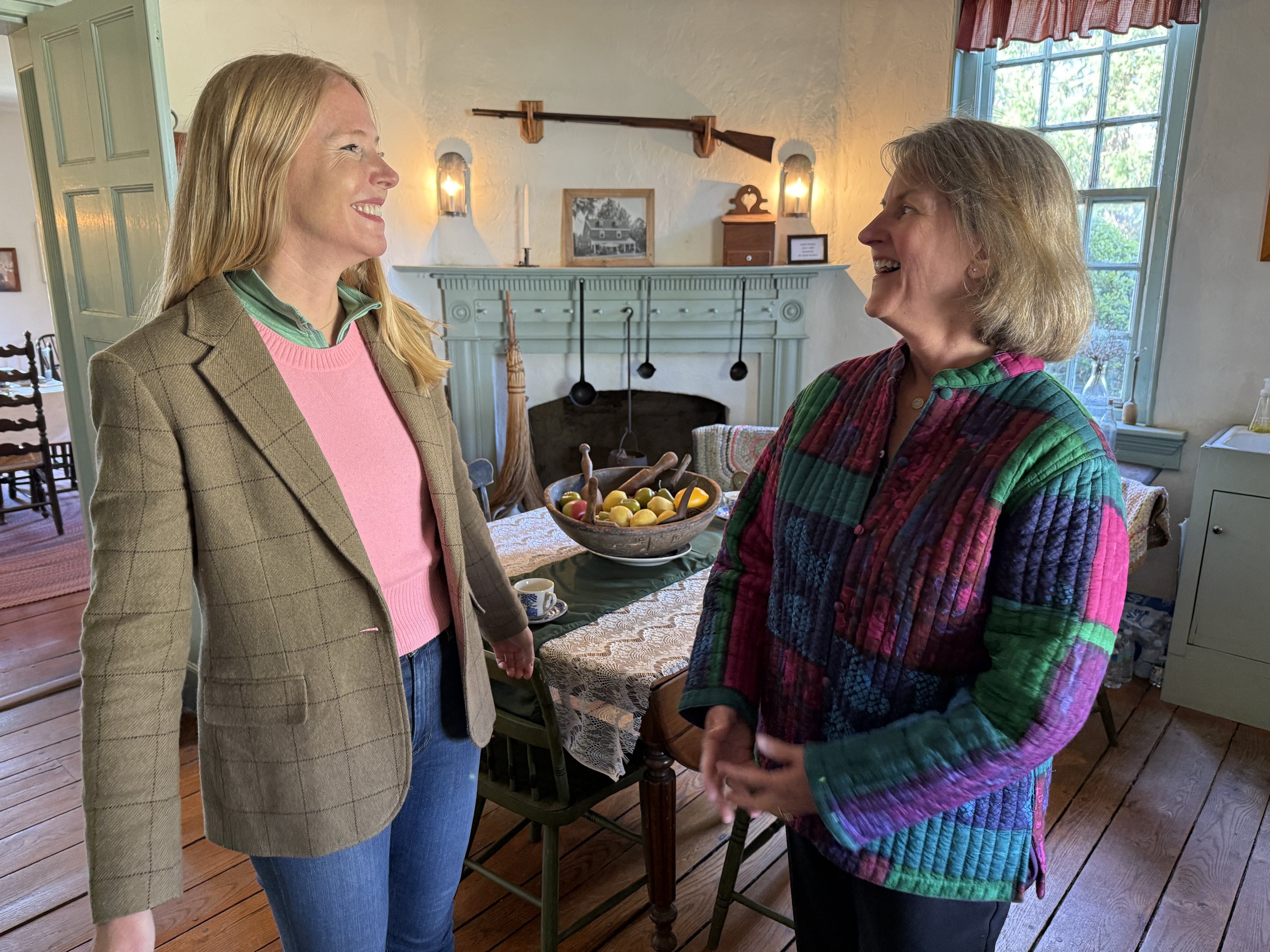
New Jersey's first state-owned historic site, the Indian King Tavern was where the state legislature met between January and September of 1777, after it was no longer safe to convene at Princeton. Guide Michelle Hughes walked me through the public dining room, the tap room (men only, complete with a locking "cage bar" to secure the alcohol overnight), and the private dining room where mixed company gathered. It was here, in March of 1777, under Governor William Livingston, that the Great Seal of the State of New Jersey was formally adopted.
Greenwich Tea Burning Monument — Cumberland County, NJ
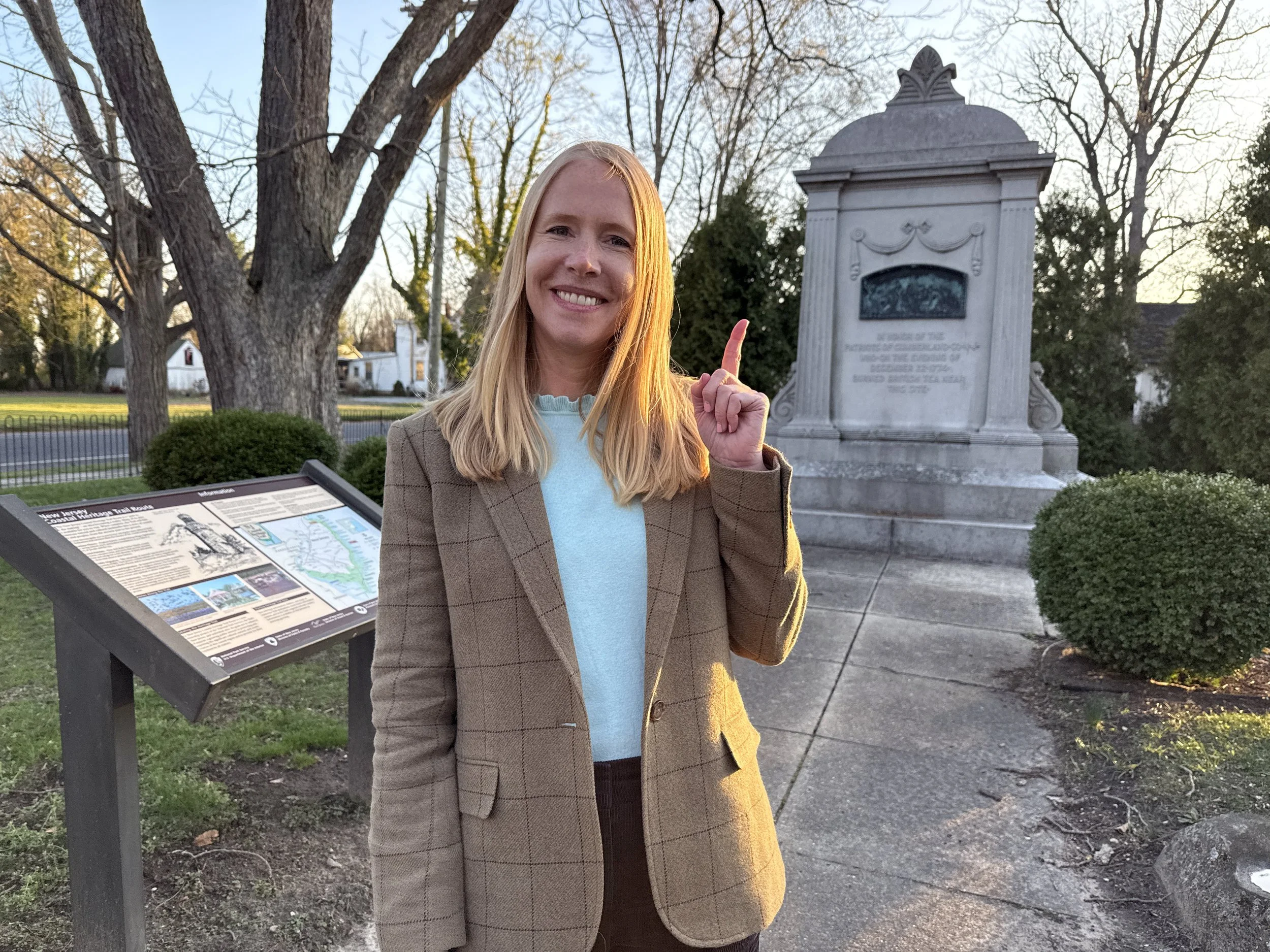
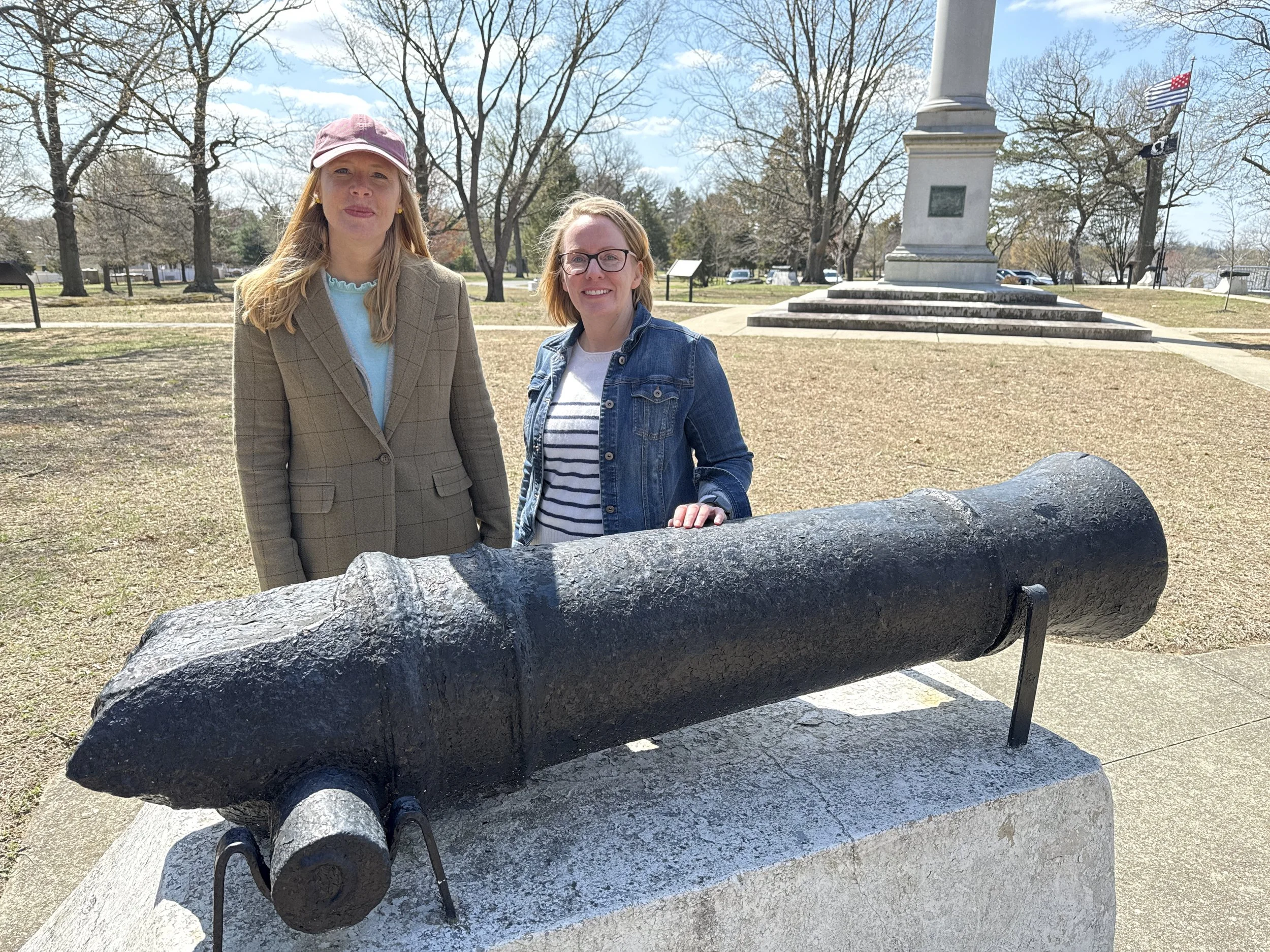
Most people know the Boston Tea Party. Fewer know that on December 22, 1774, protesters in Greenwich, New Jersey — about an hour from Philadelphia — staged their own tea protest, burning a shipment of British tea rather than dumping it into the water. Brittany Ingersoll of the Cumberland County Historical Society showed me the monument listing everyone documented or later linked to the event. "This signals to the world that America can take on the British successfully," historian Jen Janofsky told me of the broader wave of tea protests up and down the East Coast, of which Greenwich's was one of the last.
Red Bank Battlefield & the Whitall House — Gloucester County, NJ
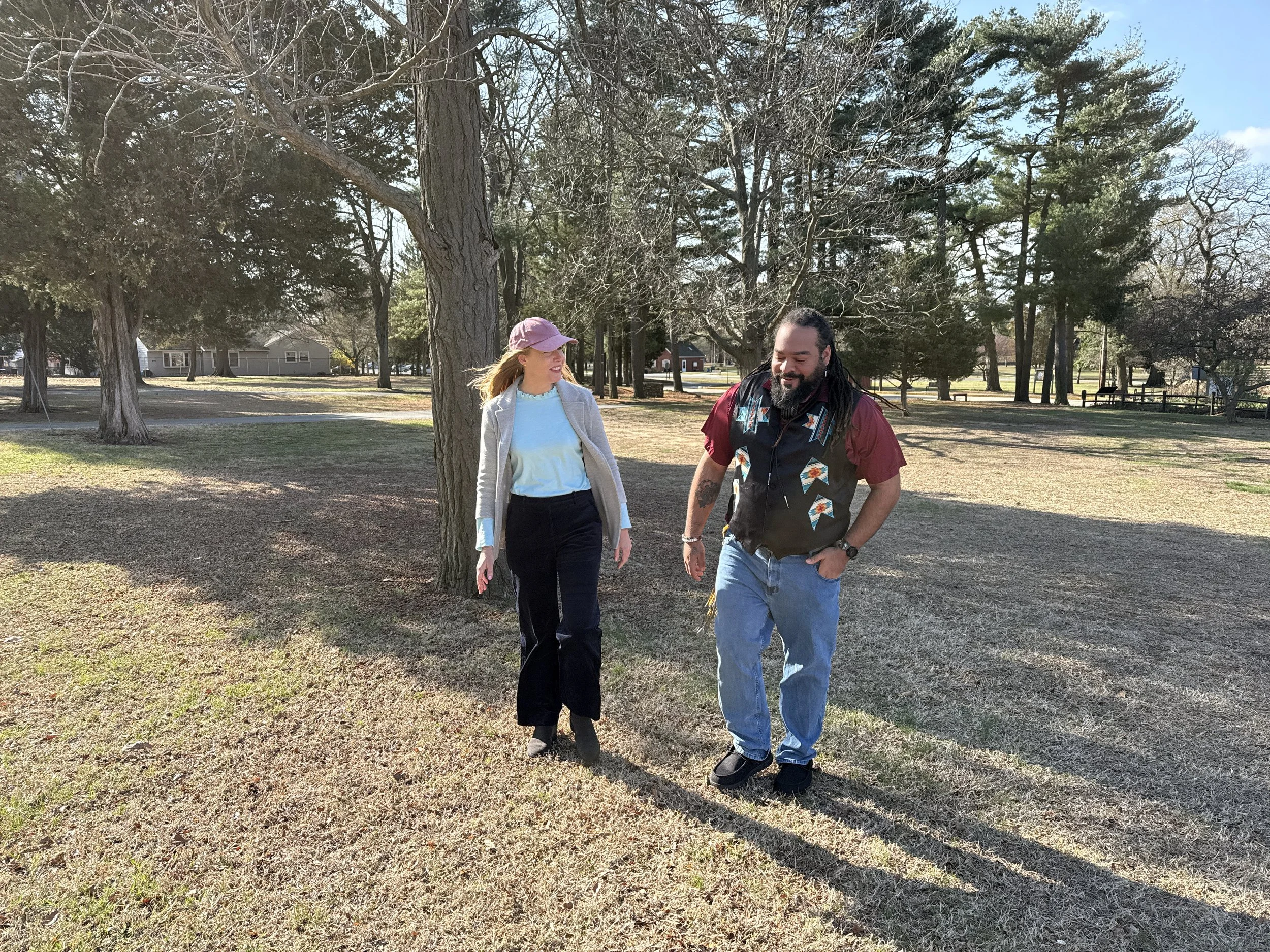
Built in 1748 by Quakers James and Ann Whitall, this unusually large, Georgian-style farmhouse became the unlikely site of one of the Revolution's most important victories. In spring 1777, Patriot forces seized the northern end of the Whitalls' property — cutting down generations-old fruit orchards to build Fort Mercer. Professor Jen Janofsky of Rowan University explained that the fort was defended by Rhode Island regiments fully integrated with white, African American, and Indigenous soldiers fighting side by side. The Battle of Red Bank, fought on October 22, 1777, was over in under 45 minutes — and remains the single biggest loss of life the Hessians suffered anywhere in the American Revolution. "This is a victory," Janofsky told me. "This signals to the world that America can take on the British successfully." In 2022, archaeologists working the site uncovered the previously undocumented remains of 15 Hessian soldiers, along with Revolutionary-era artifacts and finds connected to the Lenni Lenape Nation, whose ancestral land this was. Ty Dancing Wolf Ellis Jr. of the Nanticoke Lenni Lenape Nation joined me to talk about why sharing that history, in their own words, matters now more than ever.
Gabriel Daveis Tavern Museum — Gloucester Township, NJ
Historic preservation architect Margaret Westfield and guide Sharon Mickle showed me one of the best-preserved 1740s taverns in the state, still fitted with its original small-paned windows and functional shutters. Owner Gabriel Daveis built an earthen dam across the north branch of Timber Creek that forced river travelers to stop — and, conveniently, walk right into his tavern. "It's a chance to step back into time," Mickle told me.
Untold Stories: Women, African American & Indigenous History Along the Revolutionary Trail
South Jersey's Revolutionary sites hold some of the state's most important and least-known stories.
Pomona Hall — Camden, NJ
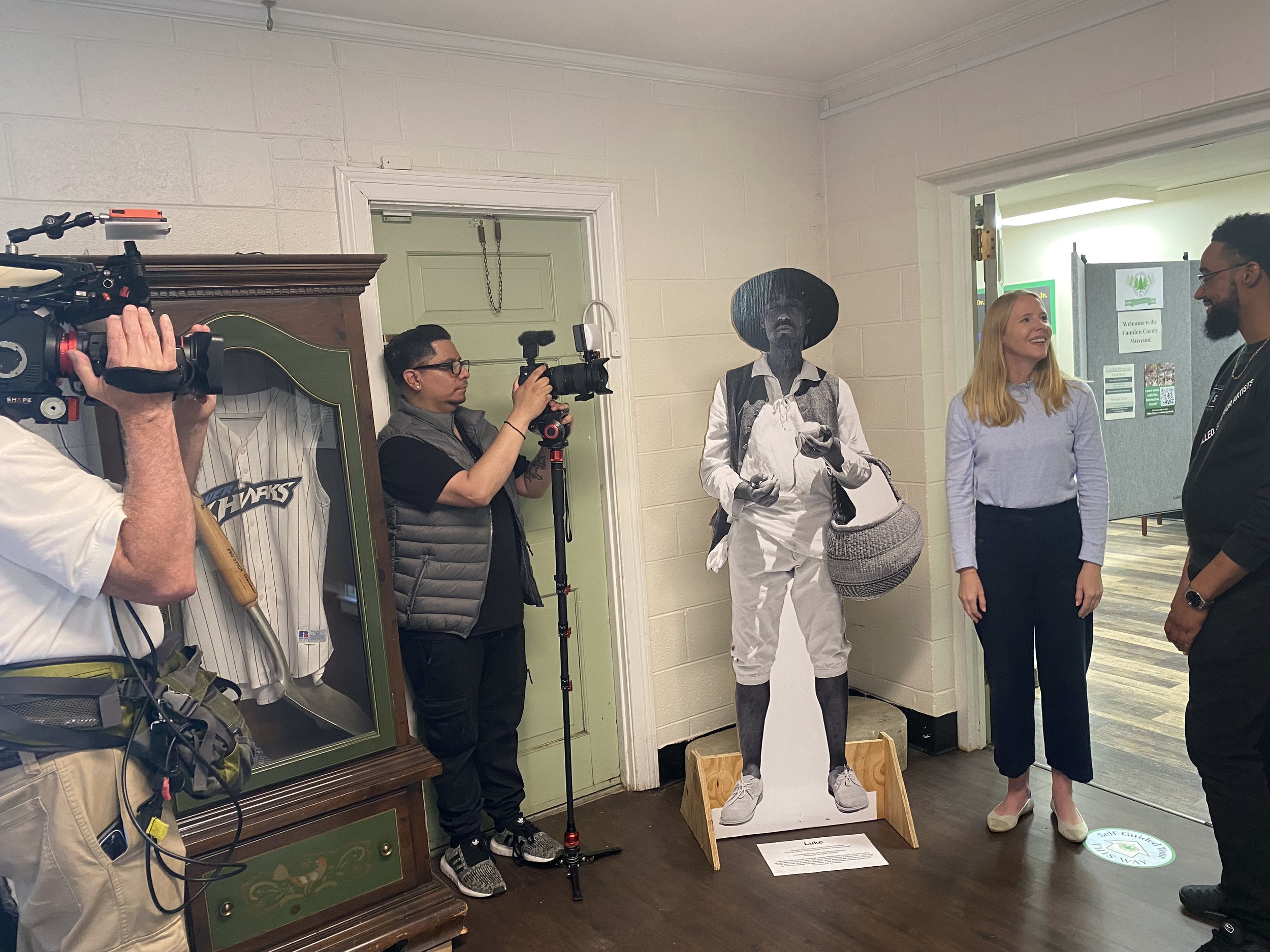
Home to the Camden County Historical Society, Pomona Hall shows two Cooper family additions side by side — an original 1726 wing and a grand 1788 Georgian expansion by Marmaduke Cooper. Board President Chris Perks explained how Cooper's agricultural wealth depended on enslaved labor, and how, when Philadelphia's Quakers required members to free enslaved people in 1776, Cooper refused and was expelled from his meeting — eventually freeing those he enslaved only before his death in 1795. An on-site art exhibition by photographers Eric Jones Montgomery and Samir Nichols honors the 17 formerly enslaved Africans documented on the Cooper property, portraying them through local Camden residents. "It gives them a more human sense, as opposed to just being slaves," Montgomery told me. "They're human beings who were enslaved. That's a huge difference."
Lawnside's African American Revolutionary History
Camden County's Borough of Lawnside was selected for a state historical marker recognizing African American contributions to the Revolutionary War. Linda Shockley, president of the Lawnside Historical Society, told me about the First and Second Rhode Island Regiments, made up largely of African American and Native American soldiers, and lesser-known Patriots like Oliver Cromwell of Burlington County. "People need to understand the fullness and richness of American history," Shockley told me. Lawnside's history continues into the 19th century at the Peter Mott House, a rare two-story home built by a free Black community member that also served as a station on the Underground Railroad.
History, Food & Culture Beyond the Battlefield
Corinne's Place — Camden, NJ
Owner Corinne Bradley Powers has been serving award-winning soul food since 1989 — food so good a local critic nominated her for a James Beard Award. A Rutgers graduate and former social worker, Powers has also mentored countless young people from the Camden community. "It's soul food that feeds the soul," as she puts it.
Benjamin Cooper House
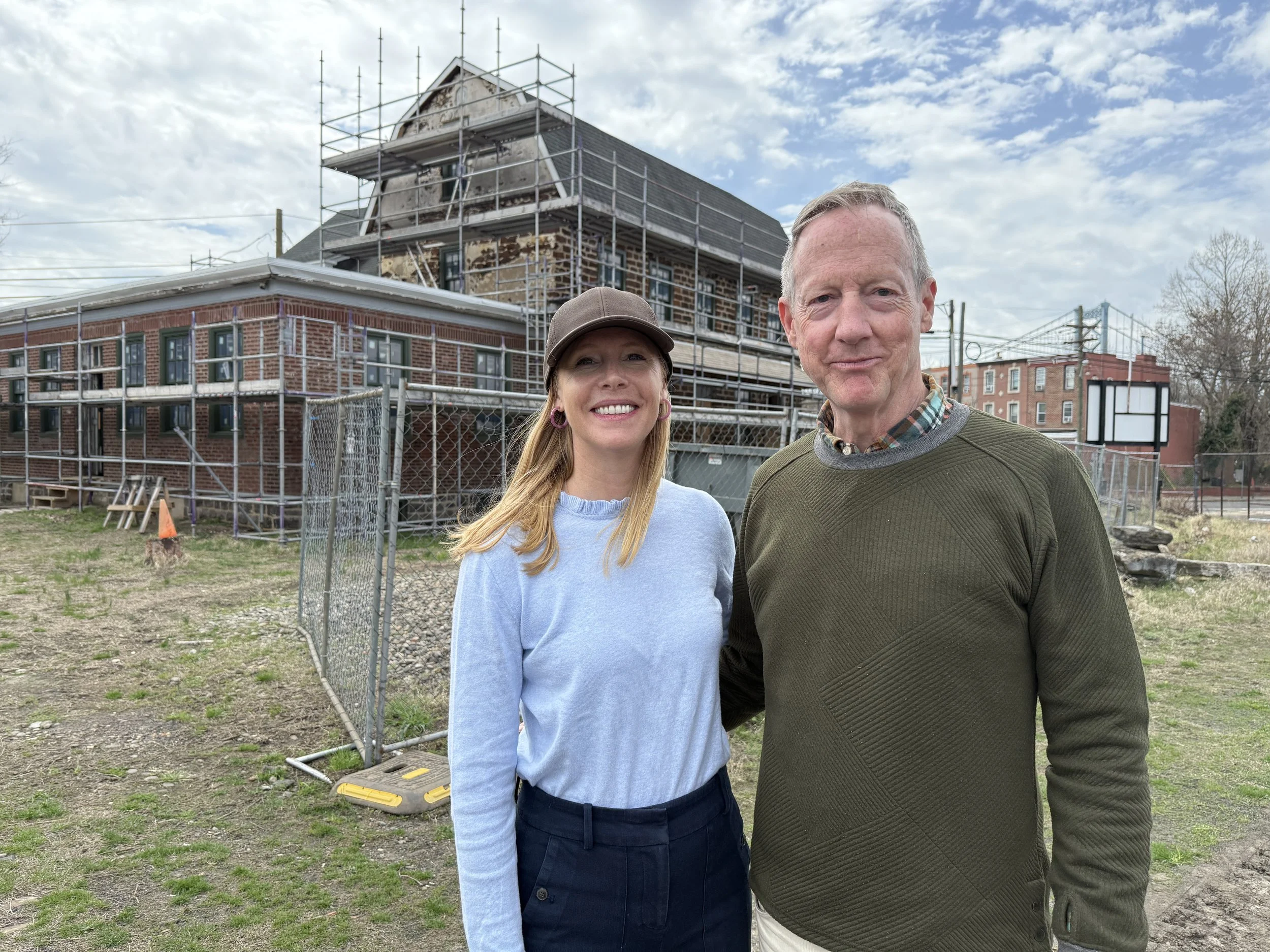
This 1734 farm and ferry stop on Cooper's Point expanded into a tavern as the Philadelphia ferry crossing grew busier through the Revolution. Historic preservation architect John Hatch showed me its distinctive gambrel roof, a hallmark of the Dutch-English architectural mix common to the region. It's currently being restored into a community-focused American Revolution museum for the Camden area.
More Historic Landmarks to Add to Your Itinerary
Historic Woodbury
Gerald O'Connor of the Gloucester County Historical Society led me down Woodbury's Main Street, past the Hunter Lawrence House, the Franklin House (home to relatives of Ben Franklin), and the Friends Meeting House, built in 1715 and still in continuous use. Nearby, the Wilkins Inn — now home to Charlie Brown's Fresh Grill — was built partly from leftover meeting house brick. Woodbury's Quaker community was among those who agreed in 1776 that anyone in their meeting must free the people they enslaved. If you have extra time in Camden, it's also worth visiting the only home Walt Whitman ever owned, and his imposing granite tomb nearby — not Revolutionary-era, but a favorite detour for literary travelers passing through.
Plan Your Own Revolutionary Road Trip Through South Jersey
Best for: American Revolution travelers, history buffs interested in untold and diverse stories, architecture lovers
Located: Camden, Gloucester, and Cumberland Counties, about 20 minutes to an hour from Philadelphia
Combines well with: A broader New Jersey Revolutionary Road Trip, or a Philadelphia weekend trip
Don't miss: Indian King Tavern, Red Bank Battlefield and the Whitall House, the Greenwich Tea Burning Monument, and Pomona Hall
Frequently Asked Questions
What Revolutionary War sites can you visit in South Jersey? South Jersey's top Revolutionary War sites include the Indian King Tavern in Haddonfield, the Greenwich Tea Burning Monument in Cumberland County, Red Bank Battlefield and the Whitall House in Gloucester County, and the Gabriel Daveis Tavern Museum.
What was the Greenwich Tea Burning? The Greenwich Tea Burning was a protest on December 22, 1774, in Greenwich, New Jersey, in which colonists burned a shipment of British tea in response to the Tea Act — one of several tea protests that followed the Boston Tea Party up and down the East Coast.
Why was the Battle of Red Bank significant? The Battle of Red Bank, fought October 22, 1777, was a major American victory defending Fort Mercer against Hessian forces, inflicting the single largest loss of life Hessian troops suffered in the entire Revolutionary War and proving, after a string of losses in the Philadelphia campaign, that American forces could defeat European professional soldiers.
Keep Exploring with Travels with Darley
Looking for more Revolutionary Road Trip inspiration through New Jersey? Check out these related stories:
Princeton, Washington Crossing & Trenton: Your Guide to New Jersey's “Ten Crucial Days”
Your Guide to Union County, New Jersey's Revolutionary War History, Culture & Cuisine
New Jersey Diners, Delis, and Dynasties: Top Restaurants in Passaic County
NJ Spotlight News Features Travels with Darley's Revolutionary Road Trip
South Jersey, NJ Revolutionary Road Trip: Darley Newman's Guide to Taverns & Untold Stories
New Jersey Revolutionary Road Trip: Darley Newman's Guide to Where to Eat & Drink
Want travel tips like these delivered straight to your inbox? Subscribe to the Travels with Darley newsletter, and subscribe to Travels with Darley on YouTubeand iHeartto never miss an episode.